We spend a lot of time looking after our bodies, with gym memberships, step counters, and diet plans. Our minds usually get far less attention, even though we rely on them every minute of the day. Remembering a name, finishing a work task, or finding your keys all depend on how well your brain is working.
This is where mind exercises come in.
What Are Mind Exercises?
Mind exercises, also called cognitive exercises or brain exercises, are activities that challenge your brain to think, remember, focus, and solve problems. Just as lifting weights works your muscles, these activities give your mental abilities a workout.
A mind exercise doesn't have to look like "training." A crossword over morning chai, learning a few words of a new language, or reading a good book all count.
They cover a wide range of things:
- Memory: holding on to and recalling information
- Attention and focus: staying on one task without drifting
- Problem-solving: finding solutions and thinking logically
- Language skills: vocabulary, comprehension, and expression
- Processing speed: how quickly you take in and react to information
Why Mind Exercises Matter for Brain Health
Your brain stays adaptable throughout life. Scientists call this neuroplasticity: the brain's ability to form new connections and adjust to new experiences. When you keep challenging it with new and mentally demanding activities, you support this process.
Mentally stimulating habits are linked with several benefits:
- Better focus and concentration
- A sharper memory for everyday things
- Stronger problem-solving and decision-making
- Lower stress and a calmer mind
- Support for long-term brain health as you age
One honest note: mind exercises are not a magic cure, and they cannot guarantee protection against memory-related conditions. Research shows that getting better at a specific game doesn't always carry over to every other mental skill. The best results come from variety, consistency, and combining mental activity with a healthy lifestyle.
6 Best Brain Exercises to Improve Memory and Concentration
1. Memory Games to Improve Memory and Recall
Matching card games, "what's missing" tray games, and memorizing a shopping list without writing it down all train your short-term memory and recall.

Try this: Before you leave for the market, memorize 8 to 10 items instead of writing them down. Check afterward how many you remembered. Add a few more items each week.
You can also try the "memory palace" technique. Imagine walking through your home and placing each item you want to remember in a different room. Linking information to places and vivid images makes it much easier to recall.
2. Puzzles (Crossword, Sudoku, Jigsaw) to Sharpen Problem-Solving Skills
Crosswords, Sudoku, jigsaw puzzles, and word searches are popular for good reason. They ask you to notice patterns, hold information in mind, and think step by step.
- Crosswords build vocabulary and word recall.
- Sudoku strengthens logic and concentration.
- Jigsaw puzzles improve visual and spatial thinking, plus patience.
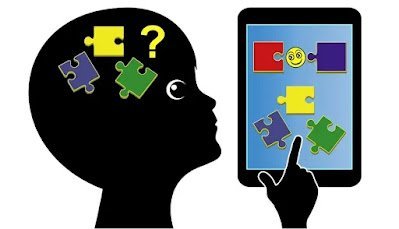
Start with a level that feels comfortable, then move up. If a puzzle is always easy, your brain isn't being stretched much.
3. Brain Teasers and Mental Math for Critical Thinking
Riddles, logic problems, lateral-thinking puzzles, and mental math push you to think differently. Instead of following a familiar path, you have to look at a problem from a new angle.
Try this: Do simple calculations in your head instead of reaching for your phone. Add up your bill, work out discounts, or estimate travel time. Small daily habits like these add up.
4. Learn a New Skill or Language to Boost Brain Power
Learning something new is one of the most powerful mind exercises, because it forces your brain to build fresh pathways rather than rely on habits.

The key is that the skill should feel a little difficult at first. That slight struggle is a sign your brain is growing.
Some ideas:
- Learn a new language through an app or a class
- Pick up a musical instrument
- Try painting, cooking a new cuisine, or coding
- Learn a craft like knitting or woodworking
5. Reading and Writing Habits to Improve Focus and Memory
Reading is a quiet but effective workout. It requires attention, imagination, and memory, because you have to keep track of characters, ideas, and plot. It also expands your vocabulary and general knowledge.
Writing does the same on the output side. Keeping a journal, writing short stories, or even summarizing what you read in your own words helps you organize your thoughts and remember better.
6. Meditation and Mindfulness for Better Focus and Less Stress
Meditation, yoga, and deep breathing may not seem like "brain exercises," but they matter a lot. Chronic stress and poor focus make it harder to think clearly and remember things. Mindfulness trains you to notice where your attention is and gently bring it back.
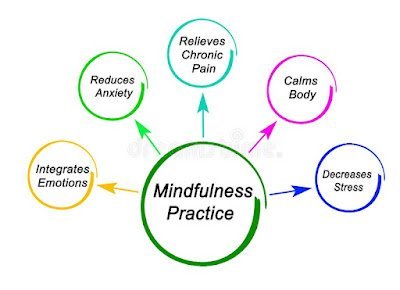
Try this: Spend 5 to 10 minutes each day sitting quietly and focusing on your breath. When your mind wanders (and it will), simply return to your breathing without judging yourself.
Healthy Habits That Support Brain Exercises and Memory
Puzzles and games help, but your brain also depends on how you treat your body:
- Sleep well. Memories are consolidated during sleep. Aim for 7 to 9 hours.
- Move your body. Regular physical activity, even brisk walking, supports blood flow to the brain and is among the best-supported habits for brain health.
- Eat nourishing food. Fruits, vegetables, nuts, whole grains, and healthy fats support brain health.
- Stay social. Conversations, discussions, and time with friends and family keep your mind active.
- Manage stress. Long-term stress can interfere with memory and concentration.
Daily Brain Exercise Routine for Beginners
Consistency matters more than intensity. Fifteen minutes a day will do more than three hours once a month.
You don't need hours a day. Here is a sample routine:
- Morning: 10 minutes of a crossword or Sudoku
- During the day: Do some mental math, or recall your to-do list without looking
- Evening: Read for 20 to 30 minutes
- Before bed: 5 minutes of deep breathing or meditation
- Weekly: Spend a little time on a new skill or language
Tips to Get the Most Out of Mind Exercises
- Mix it up. Rotate between memory, logic, language, and creative activities so different parts of your brain get used.
- Keep it challenging. When something becomes easy, raise the difficulty.
- Make it enjoyable. You're far more likely to stick with something you like.
- Be patient. Improvements are gradual, so don't expect overnight results.
- Don't ignore warning signs. If you notice serious or worsening memory problems, talk to a doctor rather than relying on games alone.
Final Thoughts on Mind Exercises for a Sharper Brain
Mind exercises are simple, affordable, and easy to fit into everyday life. Whether it's a puzzle, a book, a new language, or a few quiet minutes of breathing, each small effort helps keep your mind active and flexible. Combined with good sleep, exercise, healthy food, and social connection, they can make a real difference to how sharp and focused you feel, today and in the years ahead.
Start small, stay curious, and keep your brain busy in ways you actually enjoy.


Leave a Comment